Overhead to Underground Power Conversion in Sydney: The End-to-End Process Explained
What actually happens, start to finish, when you convert a Sydney property from overhead to underground power? It runs through six regulated stages: site assessment, network application and approval, civil works and trenching, underground cable installation, Service Protection Device and metering changes, then reconnection and energisation. Every regulated stage must be carried out by an accredited Level 2 ASP, and this guide covers the general process for any overhead-supplied Sydney property, whether your power currently arrives via a private pole or straight from a street pole.
⚡ Quick Answers: Overhead to Underground Power Conversion
- How many stages are involved? Six: site assessment, network application, civil works, cable installation, SPD and metering changes, then reconnection and energisation.
- Who can legally do this work? Only an accredited Level 2 ASP can carry out the network-side stages. A standard licensed electrician cannot do this work, however experienced.
- Does my network operator need to approve it? Yes. Ausgrid, Endeavour Energy or Essential Energy (depending on where your property sits) must approve the design before any trenching begins.
- What if I have a private power pole? Converting to underground can remove a private pole entirely, but pole removal is its own scope of work with separate network notification requirements.
- Can I stay home during the work? Yes, in most cases. Only the disconnection and reconnection stages need a planned power outage.
- What affects the cost? Cable route length, ground conditions, reinstatement of paving or driveways, and any metering or SPD changes needed at your switchboard.
What Overhead to Underground Power Conversion Actually Involves
Most homeowners hear "underground power conversion" and picture someone digging a trench and dropping a cable in. That mental image leaves out the parts that actually govern how long the job takes, what it costs, and who is legally allowed to do it.
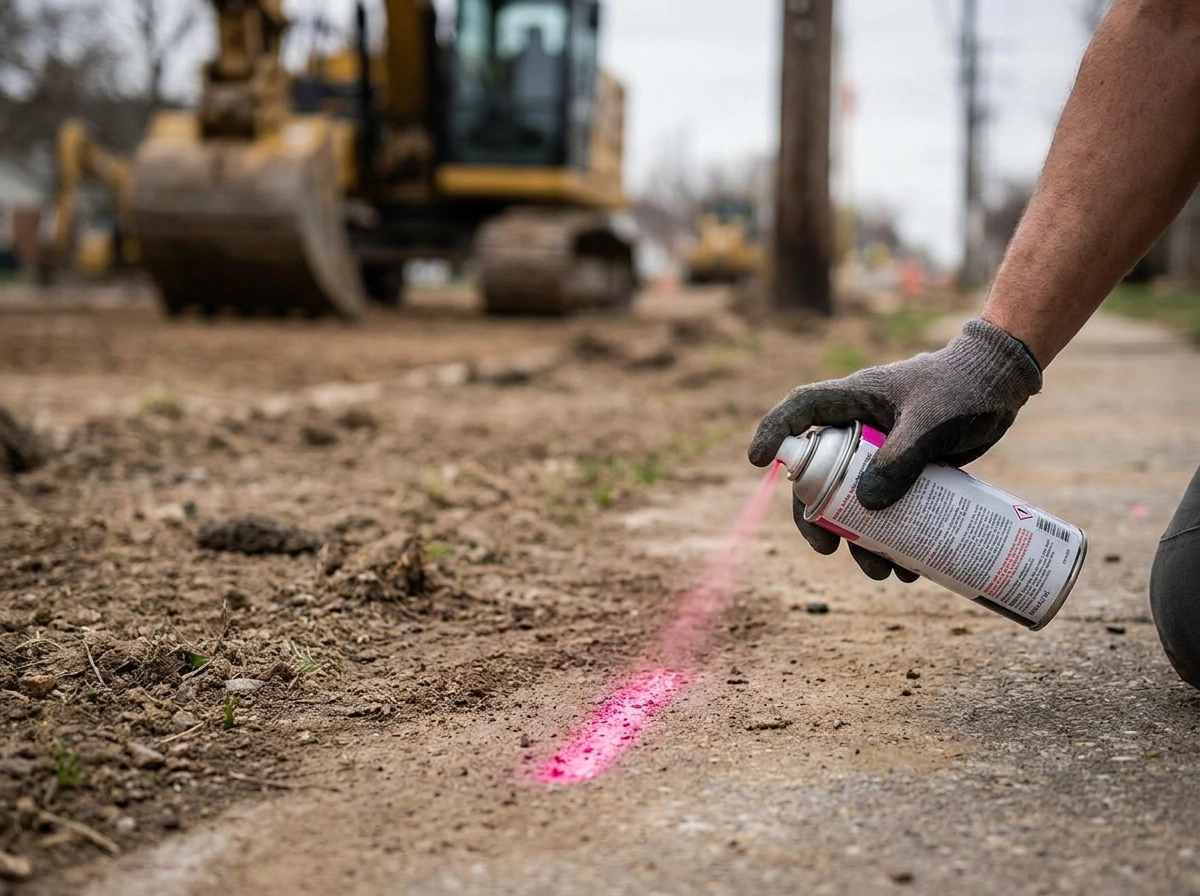
Converting from overhead to underground supply in NSW is a multi-stage, network-coordinated process. Your home's electricity doesn't come from your own private wiring alone. It arrives via infrastructure owned and operated by your distribution network, either Ausgrid, Endeavour Energy, or Essential Energy, depending on where in NSW you live. The overhead mains running from the street pole to your property sit at the boundary of that public network. Any work that touches that boundary is regulated.
This matters because a standard licensed electrician cannot legally carry out this work, no matter how experienced they are. The regulated stages require a Level 2 Accredited Service Provider (ASP), a contractor who holds additional accreditation from the network operator to work on, or connect to, the live distribution network. If your property is fed by a private power pole rather than a standard street connection, that ownership status shapes some of what happens later in this guide, particularly around removal.
The full end-to-end process runs through six distinct stages: site assessment, network application and approval, civil works and trenching, underground cable installation, Service Protection Device (SPD) and metering changes, and finally reconnection and energisation. Each stage has its own requirements, and several depend on the one before being completed correctly. The sections that follow break down each stage in plain language, so you know exactly what you're commissioning before any work begins.
Ausgrid, Endeavour Energy and Essential Energy: Who Manages Your Supply?
Before any physical work can begin on your conversion, one question shapes everything else: which electricity network actually owns the infrastructure connected to your property?
In NSW, electricity distribution is split across three regulated network operators. Ausgrid covers inner and northern Sydney and the eastern suburbs. Endeavour Energy covers western Sydney and surrounding regions. Essential Energy covers the rest of NSW, including regional towns, rural areas and semi-rural properties, not the Sydney metro area. You can check your network area in seconds with our postcode checker if you're unsure which distributor applies to you.
Why does this matter? Because whichever network serves your property is the approving authority for any changes to your overhead or underground service mains on the network side. You cannot simply decide to convert your supply and start digging. The network operator must review and approve the proposed design before a single metre of trench is opened. No approval, no work.
This is where a Level 2 ASP comes in. Rather than dealing with the network operator yourself, which isn't something homeowners can practically do, the ASP acts as the accredited intermediary. They prepare and submit the technical application on your behalf, communicate with the network during the review process, and hold the authorisations required to carry out the regulated connection work.
One important practical point: the application process is not identical across all three networks. Each operator has its own connection portal, technical requirements and documentation standards. An ASP who is accredited with all three NSW distributors can manage this regardless of which network your property sits on, rather than leaving you to navigate the differences yourself.
Stage 1: Site Assessment
Once your network operator is confirmed, the first physical step is getting a Level 2 ASP on site to assess what you're actually working with.
What the ASP looks at
The ASP inspects your existing overhead supply arrangement: where the network's wires connect to your property (called the point of attachment), where your meter board sits, and the lay of the land between them. They'll also check property boundaries and any registered easements, since an easement can restrict where a cable can be legally installed.
Working out the cable route
From that information, the ASP maps out how the underground cable would run from the network connection point to your meter board. The feasibility of the whole project largely comes down to this route. A straightforward path across a soft lawn is very different from one that crosses a concrete driveway, cuts through a retaining wall, or runs close to stormwater or sewer pipes. Tree roots are another common complication; large established trees along the cable route can make trenching significantly more involved.
Shared boundaries and neighbouring infrastructure also get flagged at this stage, particularly on terrace houses or tightly subdivided blocks.
Why this shapes everything downstream
The site assessment directly informs the network application, the civil works scope, and the overall project plan. If a complicating factor is found on site, the ASP can address it in the design before it becomes a problem mid-project. This is also where decisions get made about whether additional services, such as an upgraded supply capacity, are worth incorporating.
Skipping it costs more later
Cutting corners on the site assessment is one of the most common reasons underground conversion projects hit unexpected delays and costs. Surprises discovered during trenching, such as an undocumented service crossing the cable route, can stall the job and require redesign. A thorough upfront assessment avoids that.
Stage 2: Network Application and Approval
Once the site assessment is complete and the cable route is mapped out, your Level 2 ASP prepares a formal application to your network operator, whether that's Ausgrid, Endeavour Energy, or Essential Energy. No physical work can begin until that application is reviewed and approved. There are no exceptions to this.
What goes into the application?
The ASP compiles a technical submission that typically includes design drawings showing the proposed underground route, cable specifications, the point of connection to the network, and details of how the new underground supply will integrate with your existing meter board setup. Any supporting documentation the network requires, such as property boundary information or easement details identified during the site assessment, goes in at this stage too.
What does the network operator check?
The network reviews the proposal against its technical standards and grid requirements. It needs to confirm that the cable sizing is adequate for your property's load, that the proposed route doesn't conflict with other network infrastructure, and that the overall design is compliant with its connection guidelines. This is not a rubber stamp; it's a genuine technical assessment.
What causes delays?
The most common reasons an application stalls are easement questions (particularly where the cable route crosses shared or disputed boundaries) and supply capacity queries if the network needs to confirm the existing infrastructure can support the new connection arrangement. Missing or incomplete documentation is another frequent cause. A thorough site assessment, as covered in Stage 1, reduces these holdups considerably.
How does the ASP keep things moving?
An experienced Level 2 ASP actively manages the back and forth with the network, responds promptly to requests for additional information, and tracks the application status throughout. This is one reason the range of services involved in an overhead to underground conversion are best handled by a single accredited contractor rather than split across multiple parties.
Stage 3: Civil Works and Trenching
Once network approval comes through, the physical work begins with the ground, not the cable.
Civil works means excavating a trench along the agreed cable route, from the network connection point (usually a pit at the street or the base of an existing pole) to your meter board.
Depth requirements are non-negotiable. Underground cables must be buried to minimum depths set out in AS/NZS 3000 and your network operator's technical specifications. A cable laid too shallow can be struck by a garden spade, a fencing contractor, or future excavation. The exact depth depends on cable type, voltage, and what's above it; your Level 2 ASP will design the installation to meet these standards from the outset.
Before a single shovel goes in, Dial Before You Dig (DBYD) clearances are essential. DBYD is a free national service that maps existing underground infrastructure, including gas lines, water mains, telecommunications cables, and stormwater pipes. Skipping this step risks striking a live service, creating serious safety hazards and liability. Some council areas also require permits for trenching through footpaths, driveways, or road reserves, so your contractor needs to check local requirements.
Once the cable is laid and inspected, the trench is backfilled and the surface reinstated. That means restoring driveways, paths, garden beds, or lawn to a condition meeting council standards and the expectations set out in the project scope. Reinstatement is often where surprises appear if it wasn't scoped carefully upfront.
Tight coordination between the civil and electrical stages matters. An open trench is a safety hazard, a council compliance issue, and an inconvenience. The civil work, cable installation, and backfill should follow each other as closely as the schedule allows. If you are also planning electrical works or upgrades at the meter board, sequencing those alongside the civil stage avoids unnecessary delays and repeat disruption.
Stage 4: Underground Cable Installation
Once the trench is open and ready, the cable work begins, and this is where the real technical complexity of the job shows up.
Cable selection isn't a preference, it's a specification. The underground service mains cable used in NSW is chosen based on network operator requirements and a load calculation for your property. The calculation looks at your property's demand, the length of the cable run, and how the cable will be installed, then produces a minimum cable size that won't overheat under normal operating conditions. Australian Standard AS/NZS 3008.1.1 governs cable selection for low-voltage installations, and the network operator's technical rules sit on top of that. Your Level 2 ASP determines the correct cable, not you and not a hardware store recommendation.
Inside the trench, the cable runs through conduit. Conduit is a protective sleeve, usually rigid or flexible PVC, that shields the cable from ground movement, moisture, and accidental damage from future digging. At one end, the cable connects to the network, either at an existing underground pit or at the base of an overhead pole that forms the transition point. These connections are network-side terminations, and they must be made by a Level 2 Accredited Service Provider. Using an unaccredited electrician for this work is not just non-compliant; it can void the entire network approval.
Along the cable route, warning tape is laid above the conduit before backfilling. This bright, printed tape alerts anyone digging in the area in the future that an energised cable runs below.
Before a single shovel of soil goes back in, the cable installation must be inspected and verified. This sign-off confirms correct installation depth, conduit integrity, jointing quality, and route accuracy. Only then can the trench be closed.
Stage 5: The Service Protection Device and Metering
Once the cable is in the ground and the trench is inspected, attention shifts to the meter board end of the job, where some of the most regulated work on the whole project happens.
What is a Service Protection Device?
The SPD (Service Protection Device) is the isolating switch installed between the network's incoming supply and your meter board. Think of it as the master disconnect point: it allows the supply to be safely isolated before anyone works on your consumer mains or meter board. When your supply arrives overhead, the SPD is positioned to suit that arrangement. Move the supply underground and the entry point changes, which means the SPD typically needs to be repositioned or replaced to match the new cable route.
Why the meter board usually needs attention
Because the underground cable enters the property at a different point than the old overhead connection, the meter board layout often has to change with it. The meter itself may need to relocate to remain accessible and compliant. Here is where it gets important: a meter is a regulated device owned and managed by your metering provider, not by you. It cannot simply be shifted without the correct approvals from both the metering provider and the network operator. Your Level 2 ASP coordinates that process on your behalf.
The Certificate of Electrical Safety
Any electrical work on the consumer mains or meter board requires a Certificate of Electrical Safety (CES), a compliance document issued by the licensed electrician or Level 2 ASP who carried out the work. The CES confirms the work meets the required standards and forms part of the project's compliance record.
Notifying the network
Once meter board work is complete, the changes are formally documented and notified to the network operator as part of the overall project sign-off. This is not optional paperwork; it is how the network's records are updated to reflect your new underground supply arrangement.
Stage 6: Reconnection and Energisation
With the metering changes documented and notified to the network, the project reaches its final regulated stage: making the live connection and restoring power through the new underground supply.
What happens at reconnection
Your Level 2 ASP makes the physical connection between the new underground cable and the network, completing the circuit that brings power to your property. This is not a simple switch-on. It involves terminating live network conductors under strict safety protocols, a task that requires both Level 2 accreditation and specific authorisation from your network operator.
Depending on the network (Ausgrid, Endeavour Energy, or Essential Energy) and the scope of the project, the network operator may need to formally authorise the energisation before work proceeds, and in some cases a network representative will witness the final connection on site. Your ASP will manage this coordination directly.
Why this stage carries the most risk
Energisation is the point where the new installation meets live network voltage for the first time. Any fault in the cable, termination, or metering arrangement becomes a real hazard at this moment. This is precisely why the work is legally restricted to an accredited Level 2 ASP with current network authorisation. Never allow an unaccredited electrician anywhere near this stage.
What to expect on reconnection day
Your supply will be off for a planned period while the connection is made. Before that outage begins:
Switch off or unplug sensitive electronics such as computers, televisions, and medical equipment
Note any appliances with clocks or settings that will need to be reset
Confirm with your ASP when supply is expected to be restored
Post-energisation checks
Once power is restored, your ASP will verify that voltage levels, phase connections, and the SPD are all operating correctly before formally closing out the project. Only once those checks are complete is the job done.
What Happens to Your Existing Overhead Infrastructure and Private Pole
Once your underground supply is energised and confirmed, a question that often catches homeowners off guard is: what happens to everything that was there before?
The answer depends on your specific installation and the policy of your network operator. In some cases, the old overhead service mains are physically removed once the new underground supply is live. In others, they are simply disconnected and left in place. Your Level 2 ASP will clarify what applies to your situation based on network requirements and the details of your installation.
Your private power pole is a separate conversation. If your property has a private pole (one owned by you, not the network), moving the supply underground does not automatically mean the pole comes down. Removal is a distinct scope of work with its own network notification requirements, because even a decommissioned pole that was previously connected to the network needs to be formally cleared before removal. For the specific costs, removal process and what changes to your title and insurance once the pole is gone, see our dedicated guide to overhead to underground private power pole conversion.
It is also worth setting realistic expectations about your street. Converting your connection to underground electricity removes the overhead infrastructure serving your property only. Network poles and lines running along your street, or serving your neighbours, are unaffected. Underground conversion is a property-level change, not a street-wide one.
Any removal of a private pole must be carried out by a Level 2 ASP. Even after the supply has moved underground, disconnecting and removing a pole that was previously energised from the network is regulated work. Do not attempt it yourself, and do not engage a standard electrician for this task. Before any work begins, ask your Level 2 ASP directly: is overhead infrastructure removal or pole removal included in this scope? Get it confirmed in writing so there are no surprises once the underground supply is live.
Why a Single Level 2 ASP Managing the Whole Job Reduces Risk
Converting overhead mains to underground supply is a sequential process. Each stage depends on the one before it. When site assessment, network application, civil works, cable installation, and metering are split across separate parties, accountability gaps open at every handoff. If the civil contractor trenches before the network application is approved, work stops. If the reinstatement crew fills the trench before the cable inspection is signed off, it has to be dug up again. These aren't hypotheticals; they're the predictable consequences of fragmented project management.
A single Level 2 ASP holding the network application, coordinating the civil contractor, and carrying out every regulated electrical stage removes those gaps. There is one party responsible for compliance at each step, one point of contact when questions arise, and no finger-pointing between trades if something needs to be resolved.
Compliance risk is not abstract here. Using an unaccredited electrician for any network-side stage, even a minor one, can invalidate the approvals already in place and expose the homeowner to serious safety and legal liability. The network operators require accredited personnel for regulated work, and that requirement does not bend.
How High Demand Electrical Power Pole Helps
High Demand Electrical is a licensed local team, not a call centre, and one of Sydney's most experienced Level 2 ASPs for overhead to underground conversions. We hold EC Licence 397193C and triple ISO certification covering quality (ISO 9001), safety (ISO 45001) and environmental management (ISO 14001), and we're accredited across the Ausgrid and Endeavour Energy networks, servicing homes and businesses across Sydney.
We manage the whole conversion end to end under one team: site assessment, the network application, coordinating civil works, cable installation, SPD and metering changes, and the final reconnection, so you deal with one accredited contractor rather than juggling a civil crew and an electrician separately. If you also want a firm read on pole removal costs and options, use our pole strut size calculator tool as a starting point or ask us directly during your site assessment.
Overhead to Underground Power Conversion FAQs (Sydney)
Do I need council approval for the conversion?
The primary approvals come from your network operator (Ausgrid, Endeavour Energy, or Essential Energy), managed on your behalf by your Level 2 ASP. That said, trenching across footpaths, nature strips, or public land may require a council permit, and Dial Before You Dig (DBYD) clearances are mandatory before any excavation begins.
Can I stay home during the conversion?
Yes, in most cases. The majority of the preparatory work, including trenching and cable laying, happens before your power is interrupted. You will need to be without supply during the disconnection and reconnection stages, but these are planned outages with advance notice.
What affects the cost of changing overhead power to underground in NSW?
Several factors contribute to the final figure: cable route length, site complexity (concrete driveways, retaining walls, or existing underground services), reinstatement of surfaces after trenching, network application fees, and any metering changes required at the meter board. See our private power pole installation guide for how these same cost drivers apply to a comparable pole job.
Will I still have a private power pole after converting to underground?
Not necessarily. If your overhead supply currently runs through a private pole, conversion can remove it entirely, but pole removal is a separate scope with its own network notification steps. See our overhead to underground private power pole conversion guide for the removal process specifically.
Will my neighbours lose power during my conversion?
Converting your private service connection affects your property only. Neighbouring properties remain on their own supply and are not disrupted by your project.
Get an Underground Conversion Quote
Ask about overhead to underground conversion for your property. Call 0402 559 777. Every conversion starts with a site assessment so we can price the civil works accurately, not guess at a trench length from a phone call.
Related reading: Overhead to underground private power pole conversion, private power poles: ownership, types and rules, and on the Inner West site: overhead vs underground power in Sydney's Inner West. On the main site: Level 2 electrician Sydney.
Ready to secure your property with Power Poles service?
Fill out the form and our expert team will get back to you shortly. Whether it’s an emergency or a planned installation, we’re ready to help—fast, safe, and professional.
.png)